Saki-Yomi Home

Category

Brewing Knowledge

4 articles

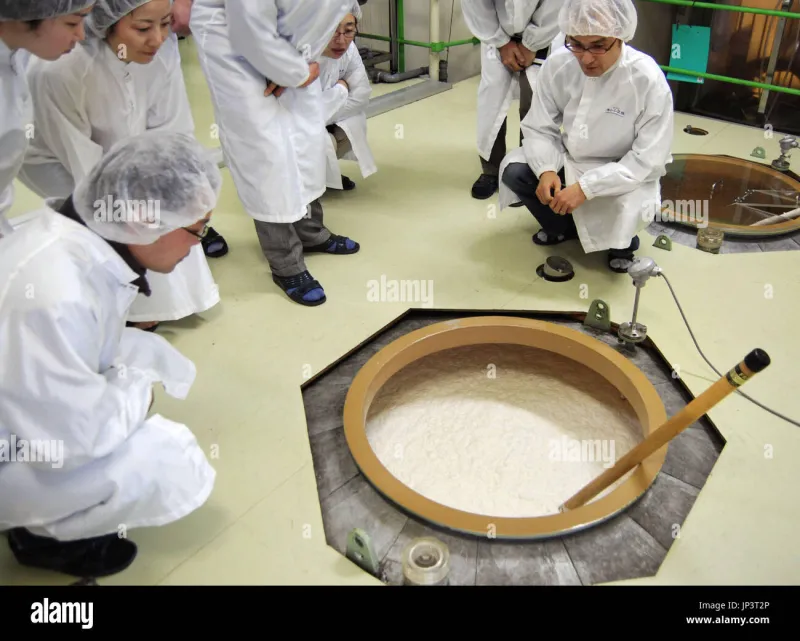
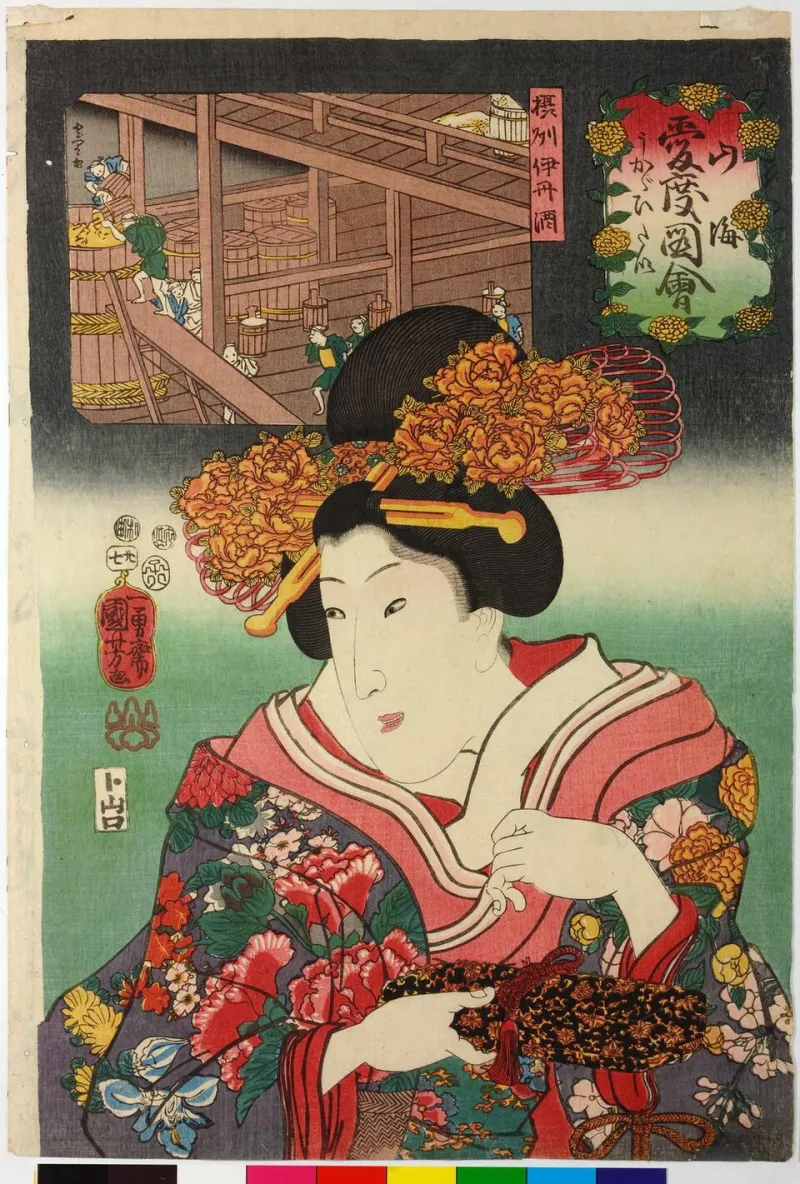
Hot, Warm, or Chilled: How Serving Temperature Transforms What's in Your Glass

Hot, Warm, or Chilled: How Serving Temperature Transforms What's in Your Glass

Most American sake drinkers default to cold without a second thought — but temperature is one of the most powerful tools for unlocking what a sake is actually capable of. This guide explores the full thermal spectrum of sake service, explaining how heat and warmth draw out complexity that refrigeration quietly suppresses.
Cracking the Code: What Every Number and Term on a Sake Label Actually Tells You

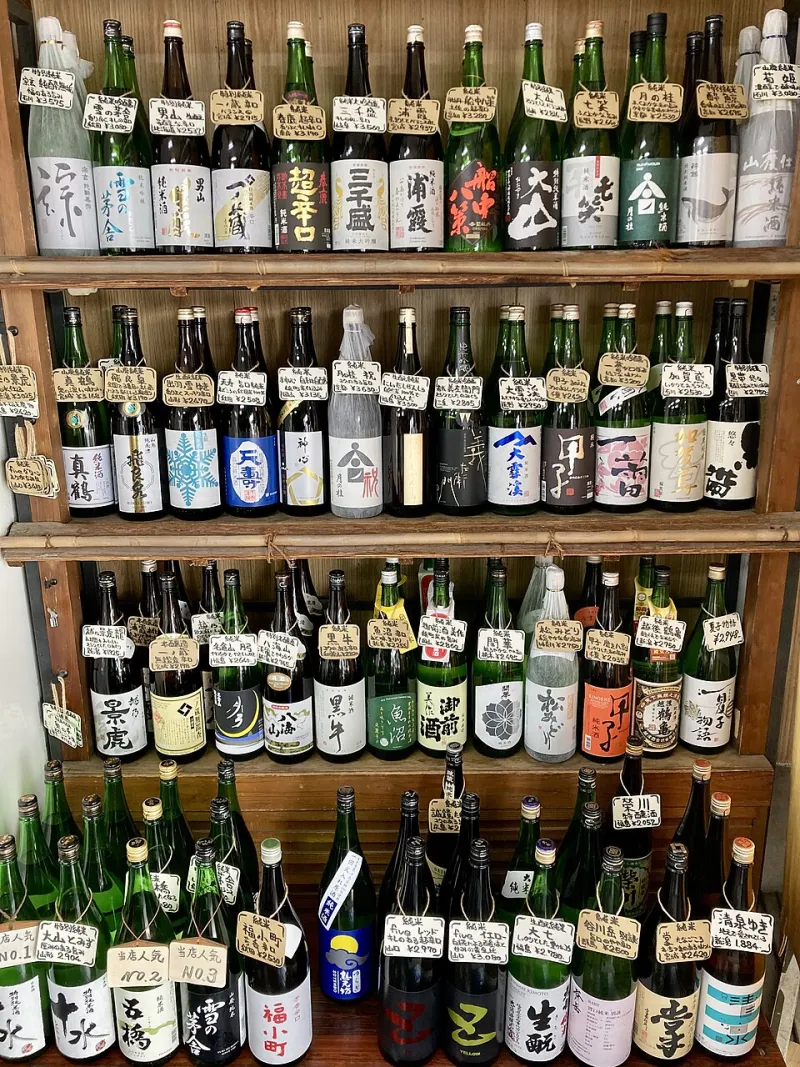
Cracking the Code: What Every Number and Term on a Sake Label Actually Tells You

A sake label can feel like a puzzle assembled from unfamiliar metrics, untranslated Japanese terms, and percentages that seem to mean several things at once. This guide walks through every major label element — from the Sake Meter Value to rice polish rates — and translates each into plain language that helps you predict what will actually be in your glass before you buy.

Hard Water, Soft Water, and the Human Hand: Rethinking What 'Place' Really Means in Sake

Hard Water, Soft Water, and the Human Hand: Rethinking What 'Place' Really Means in Sake

When Western drinkers hear that Nada sake tastes different from Fushimi sake, they instinctively reach for the word 'terroir.' But that comparison obscures more than it reveals. The true story of water and sake is one of deliberate chemistry, generational craft, and a relationship between brewer and mineral content that no vineyard analogy can fully capture.

The Smoothness Paradox: Understanding Why Sake at 16% ABV Feels Nothing Like Wine at 16% ABV

The Smoothness Paradox: Understanding Why Sake at 16% ABV Feels Nothing Like Wine at 16% ABV

Sake and a robust red wine can share nearly identical alcohol percentages, yet the two beverages feel profoundly different on the palate — and the reasons why are rooted in fermentation chemistry that most drinkers have never encountered. This guide breaks down the molecular science behind sake's distinctive smoothness, explains what high-quality brewing actually looks like at the biochemical level, and offers practical tools for US consumers navigating an increasingly crowded sake market.